

Sickle cell anaemia outpatient clinic in Buikwe, Uganda
In 2020, Prof. MUDr. Zdeněk Ráčil, Ph.D. founded an outpatient clinic for sickle cell anemia patients in Uganda, which he runs and provides care only thanks to the financial support of voluntary donors. In Uganda, over 25,000 children are born with sickle cell anemia every year and 70-80% of them do not live to the age of 5. The treatment provided, which is beyond the financial means of families in the poor rural region of Uganda, reduces the number of painful crises for the patient, reduces the risk of organ damage, reduces the number of blood transfusions required and so can prolong life. Thanks to the clinic's social workers, we know the true financial situation of the family, we know the story of each and every patient and this allows us to focus on those most in need. The treatment we provide includes regular laboratory checks, the necessary daily dose of Hydroxyurea, the necessary painkillers, prophylactic antibiotics and antimalarials.

Since 2021, we have also expanded our program to include the social development of our poorest adolescent patients, who are often unemployable due to painful crises. In cooperation with the clinic's social workers, we assist in education, the choice of future employment or the choice of a form of business that takes into account the patients' health condition.

News
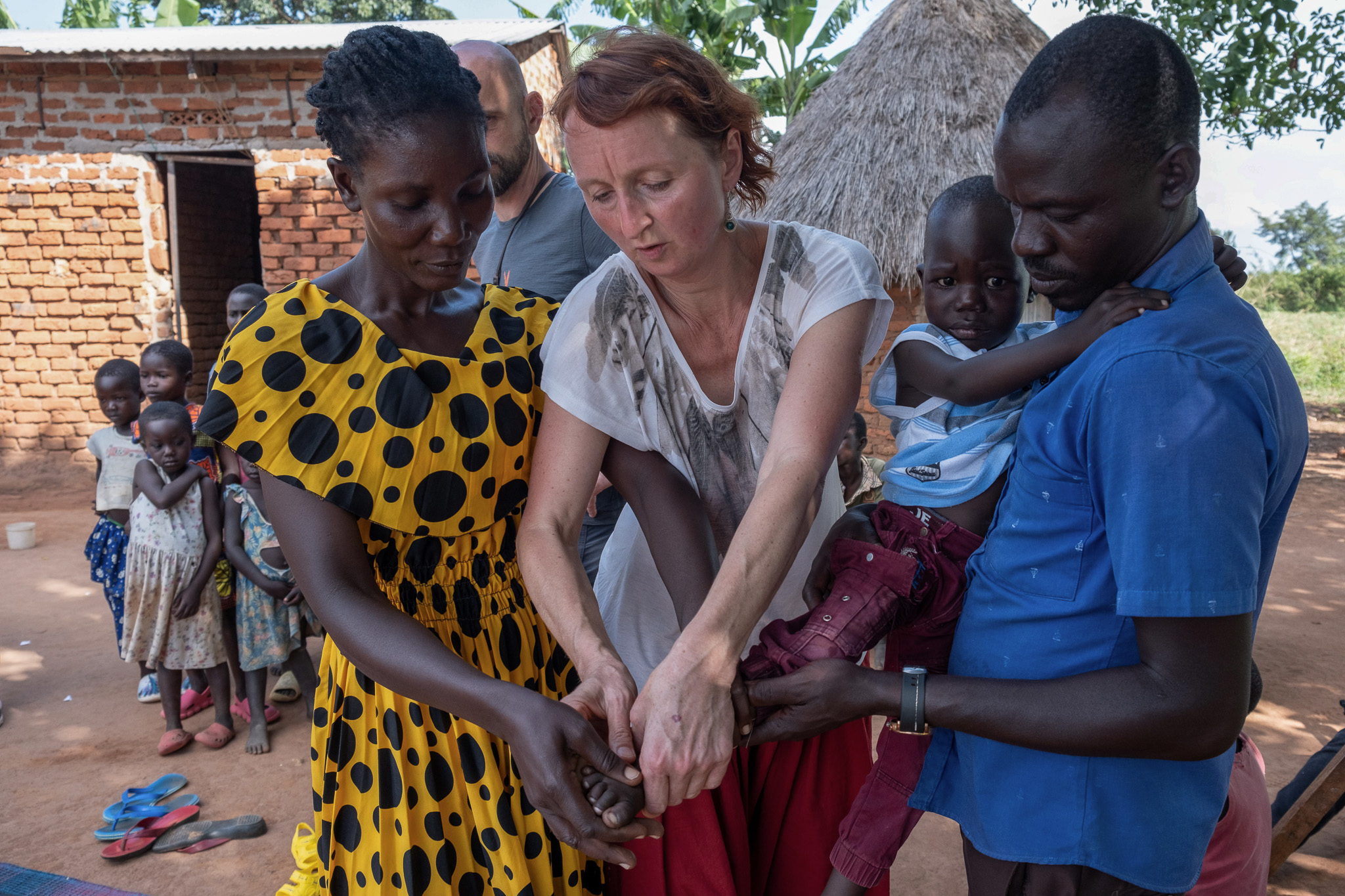
- 2/19/2026February at SSUUBO was a roller coaster /and we're only halfway through/. Our family grew by 31 new pediatric patients. And for some it came a second before the twelfth - 2 children started taking Hydroxyurea immediately - they were at risk of acute stroke. They are safe now.
Overall, we have exceeded the magic number of 500 patients in chronic care. We will soon start building our own clinic, follow us, and keep your fingers crossed that it will be exactly what we dreamed of and what we need.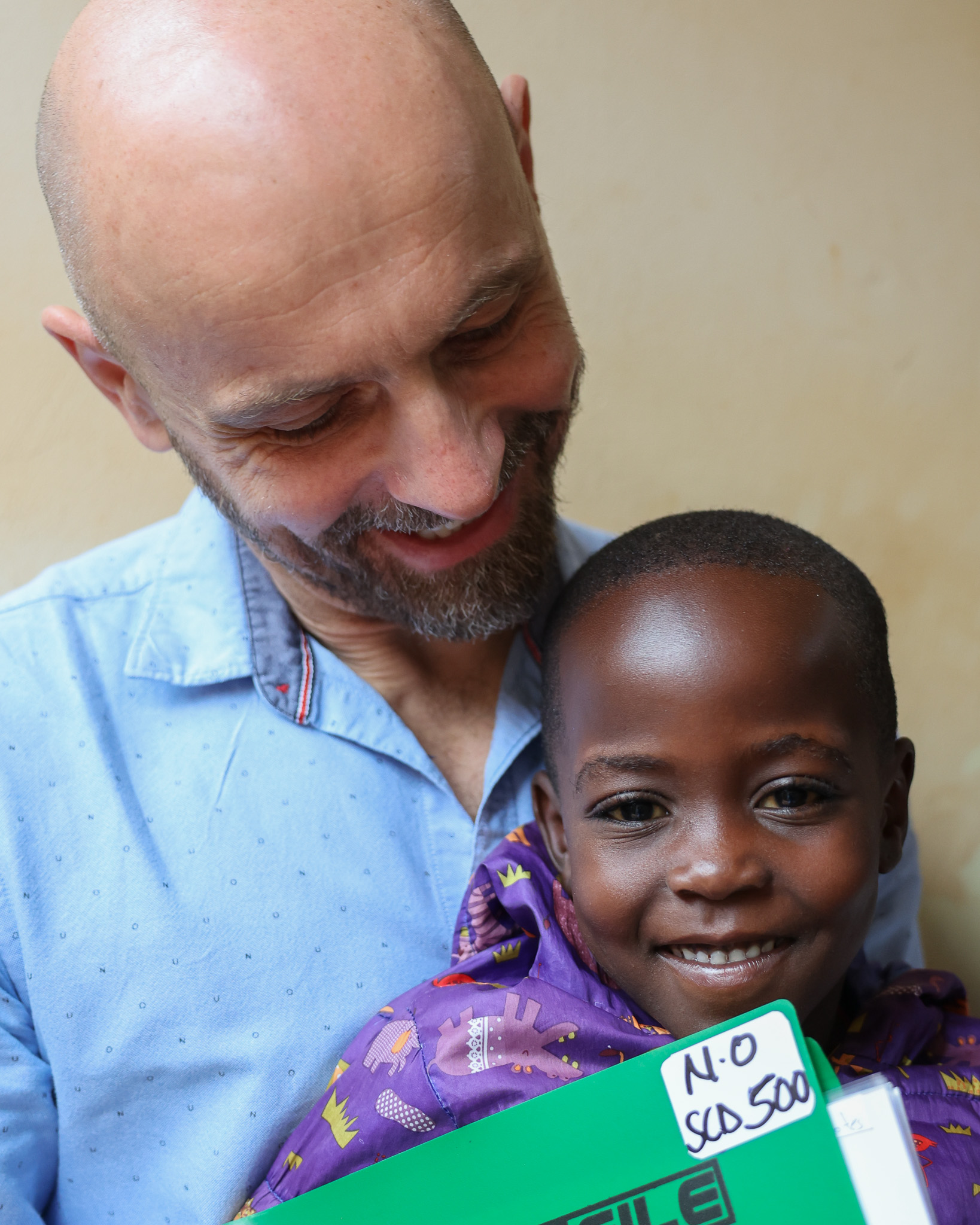
- 9/8/2025
luni architects presented the clinic design for SSUUBO
The architects created a design that respects local materials, technologies and Ugandan traditions. The four pavilions with a central atrium – a public space for children to spend time and play – were created with a tight budget for the construction based on Czech donors. "We ourselves try to support charitable projects on a personal level for a long time, so cooperation with SSUUBO makes a lot of sense for us," explains Nina Ratočka Pevná, co-founder of the studio.
"We tried to bring something unusual to the design, but at the same time it was crucial that patients and their families feel comfortable at the clinic. Due to the limited budget, we had to keep our feet firmly on the ground. The space will offer comprehensive laboratories, rehabilitation rooms, a workplace for psychologists and an intensive care unit. We believe that we will be able to build the clinic in its full scope," adds Lukáš Janout, co-founder of luni.
The collection for the clinic is taking place on this platform darujme.cz
The new clinic will have five specialized workplaces:
🏥 Doctor's office and ultrasound examination rooms
🚨 ICU with 10 beds for patients with acute complications
🔬 Laboratory for diagnostics from blood samples
🏃 Rehabilitation for children with consequences after a stroke
🧠 Psychologist's workplace for mental support, especially for adolescents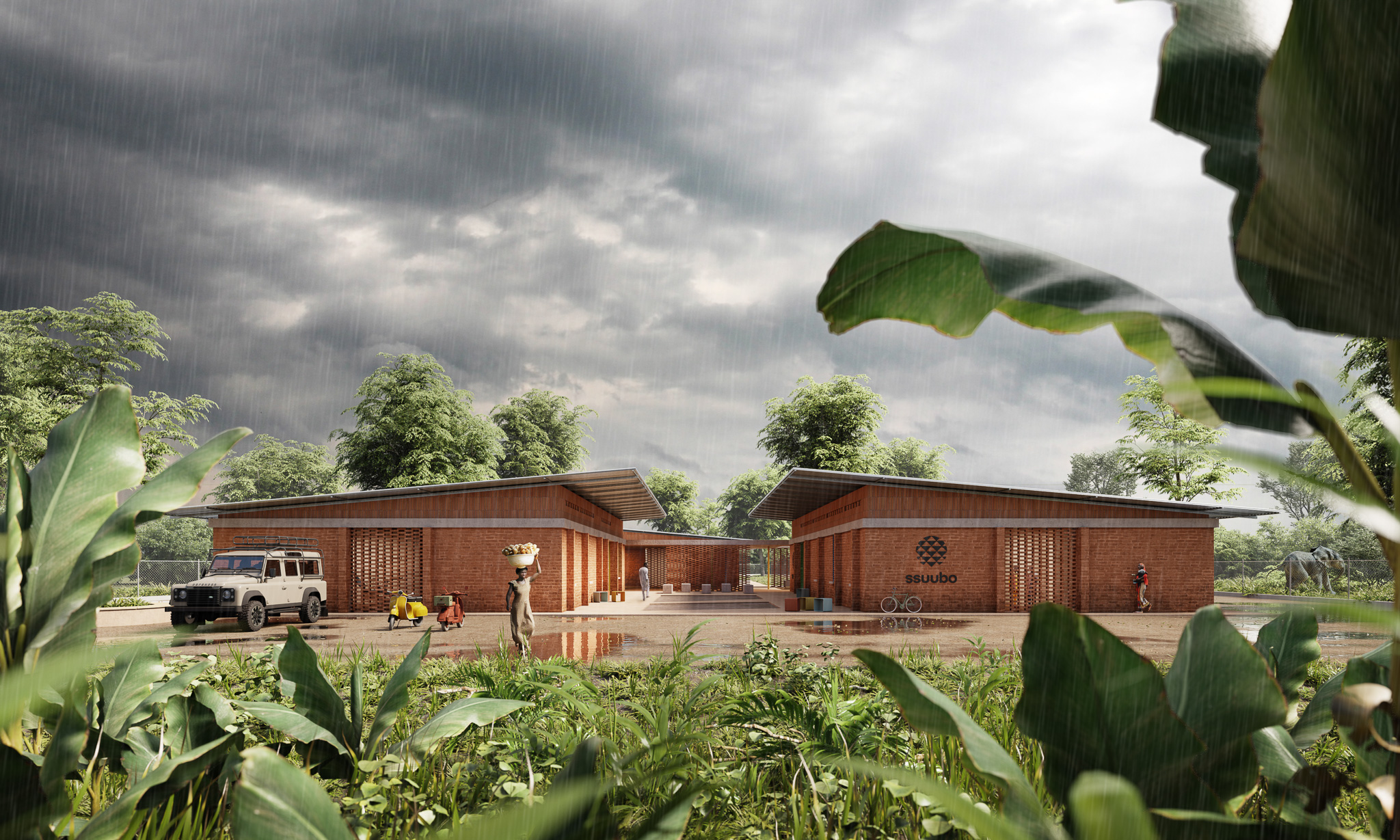
- 2/26/2023
SSUUBO team builds the best sickle cell anemia clinic in Uganda
18.01.2023
The 2023 work year for SSUUBO started on the first day of January. The entire project team moved to Buikwe, Uganda for three weeks. The number of patients in our care will soon reach the number 400. Such a high number brings with it new challenges. We are therefore strengthening the local Ugandan team and further improving the quality of care.
Thank you for your support, thank you for being SSUUBO!
Doctor in action
Zděněk Ráčil manages more than 10 ultrasound examinations of brain vessels a day. Due to the measured values, one new patient has already been treated with hydroxyurea and another has started regular blood transfusions. In previously critical patients, blood pressures have normalized after three to six months of treatment, and we can almost rule out the risk of stroke in them. He monitors all patients treated with hydroxyurea and performs early detection analysis of renal dysfunction. In addition to regularly scheduled check-ups, he sees patients every day for whom he has to deal with acute crises. For example, malaria is currently very frequently diagnosed and the number of acute beds is insufficient. However, we can also cope with this, for example by having 2 children admitted in one bed.
The quality of the laboratory is going up
Renata Horáková, senior laboratory technician at the morphology laboratory of the Institute of Haematology and Blood Transfusion in Prague, is back in Buikwe ten months after her last visit to the clinic. In the laboratory and behind the microscope.
She teaches the evaluation of haematological specimens, supervises the work procedures of the laboratory technicians and introduces new laboratory methods. He is also intensively involved in training a new laboratory worker. "I am happy to see that the knowledge of the local lab technicians is deepening. However, they don't have the opportunity to see pathological findings as often in the local environment, so there is still a lot of work to be done."
Building a more welcoming environment
"I believe that we are succeeding in building a place where our young patients and their parents find not only very high quality medical care, but also a friendly team of staff who understand and have a helping hand for what they face in the psychological and social areas." These are the words of the project's psychologist, Štěpánky Podrazilová. She, together with the clinic's psychologist, is dedicated to the continuous improvement of mental health care. She trains our patient advocates and guides them to improve communication with patients' parents and improve their education. She then works with the social work team in the field to correctly identify patients who need support and the skills to provide it.
We visit the families of our patients
The final piece in the mosaic of our comprehensive care is the social status of our patients. Martin Židlík has been regularly visiting the homes of our patients for several years. He knows the story of every single child. The environment in which the children live and the social status of the family have a huge impact on the success of the treatment provided. Together with the clinic's social team, he is looking for ways to help those most in need.
- 4/19/2022Today was an important day for our clinic and SSUUBO. A week ago, Mrs. Evelyn Harlow, Sickle Cell Program Officer from the Ministry of Health Uganda and Sickle Cell Network Uganda visited us to show her our work.
She was so impressed with our comprehensive care for sickle cell anemia patients - our laboratory expertise, blood flow testing through the cerebral arteries (which we learned we are the only ones in Uganda doing), social and psychological care - that today a group of doctors and lab technicians from major hospitals caring for sickle cell anemia patients (including the main hospital in Uganda) visited us for education.
The delegation was led by the lead physician of the sickle cell anemia program in Uganda, Professor Robert Opoka from Makere University of Kampala, Uganda.
Thanks to our entire team, led by Barbara Shilhara, for their work and, as we learned, for providing the best care in Uganda for our patients.
This meeting initiated the creation of a platform of professionals from different hospitals caring for sickle cell anemia patients, which will allow us to share our mutual experiences and will surely improve the care of patients at all our sites.
A big thank you also goes to all our donors - without them our programme would not exist.
- 3/25/2022We already have 260 pediatric patients with sickle cell anemia under our care !
Information about our high quality care for children with sickle cell anaemia is spreading rapidly through the community in the poor area of Buikwe. Especially in the last six months, when we have started testing with new point-of-care tests that allow a very accurate diagnosis of sickle cell anemia, and have started to perform cerebral vascular testing as a stroke prevention, parents come to us almost every day with their sick children asking to be enrolled in the program.
In the last 6 months, we have doubled the number of sickle cell anemia patients in the program. We are very happy to be able to help so many children. However, it is an extremely big commitment for us.
Our work would not be possible without our donor-supporters. We are very grateful for them and we hope that we will be able to reach more donors so that we can provide quality care for such a large number of children with sickle cell anaemia. - 11/16/2021We are 3 months into our sickle cell anaemia project in Uganda - what we have achieved.
During July-September 2021 we were able to be intensive at our clinic in Buikwe and further advance our entire project significantly.
What we were able to do:
Our work has been much talked about in the community, and within 3 months the number of patients in our program increased by almost 50. This means we now have over 140 patients in the project. All of them receive regular and comprehensive care according to international recommendations.
Clinical, laboratory and imaging investigations have identified additional patients in our project who had to be put on hydroxyurea therapy - the number of patients on hydroxyurea therapy increased by 12 during our stay and we now have 29 patients on this therapy. Each of these new patients will need a sponsor to enable the treatment to take place.
We imported 200 units of the so-called point-of-care tests - Haemotype SCs - which replace a very complicated method for accurately confirming a diagnosis of sickle cell anaemia, called electrophoresis, which is not available for routine use in Uganda. We were thus able to confirm the diagnosis quite accurately for all patients in our program.
We have started screening the younger siblings of our patients. We organized a "Sickle Cell Anemia Screening Day" and of the nearly 70 children screened, we not only caught a number of carriers (as expected), but also 3 previously undetected cases of sickle cell anemia thanks to our new test. These children were immediately enrolled in our programme (laboratory monitoring, prophylactic antibiotics, antimalarials and folic acid). In the coming weeks, our Sophie (an adult sickle cell anemia patient we have employed as a patient worker for sickle cell anemia patients) will gradually invite siblings of families who have not yet been screened to be screened. We are very hopeful that we will capture other previously unrecognized patients.
- Probably the most important point was the importation of a new ultrasound machine and the start of regular blood flow investigations through the cerebral arteries. All patients aged 2-16 years were examined during our stay. If abnormal or critical values were found, this examination was then repeated. Thus, we performed almost 150 cerebral artery blood flow examinations. Most importantly, we identified 15 patients with risky values who would need to be monitored approximately every 3-6 months but most importantly we captured 3 patients with critical values where they were at risk of developing a stroke within weeks/months. We then initiated hydroxyurea treatment in these patients. This should lead to an improvement in the findings within a few weeks, thus reducing the risk of stroke.
However, the ultrasound machine was not only used to perform examinations of the cerebral arteries, but was used almost daily for a variety of acute conditions. Indeed, the ability to have a quality ultrasound machine has dramatically advanced our daily care.
We all presented the results of our work at the Czech Hematology Congress together via "online transmission".
and in addition to the above mentioned, we managed to implement together with our colleagues from the clinic a number of "small things" that moved our work and care of our patients forward - the help from our colleagues from morphologists from UHKT allowed us to accurately monitor young red blood cells - reticulocytes; we modified the surgery room; we have started the development of standard procedures for the diagnosis and treatment of the most common diseases we encounter; thanks to the donors of HIA Slovakia, we have acquired and commissioned and trained staff in vital signs monitoring and cardiopulmonary resuscitation, and much, much more
None of this would have been possible without the tremendous dedication and help of everyone working on our project - both those who could not be with us on the project and helped us intensively from the Czech Republic, and all the staff at the John Paul II Clinic in Buikwe.
And we have many plans for the coming weeks and months - we are very much looking forwardto future!