BORN DIFFERENT. Helping People with Albinism in Zambia
Born Different is a university project that has been helping people with albinism in Zambia for four years. Working directly with local communities allows us to understand their needs, promote skin cancer prevention, improve access to health care and education, and provide direct assistance to those most vulnerable – children, single mothers, victims of violence and survivors of ritual attacks. Through our awareness-raising activities, we draw attention to the discrimination and human rights violations faced by people with albinism.
HELP US MAKE A DIFFERENCE FOR PEOPLE WITH ALBINISM IN ZAMBIABorn Different combines anthropological fieldwork and documentary photography with practical action in Zambia. Our long-term presence in local communities enables us to identify where support is needed most and respond effectively. Your contribution will help us extend this work to remote areas, where specialist care and essential services remain difficult to access. Our work is built around three main pillars – Health, Human Rights and Education.
HEALTH – Skin Cancer Prevention and Care
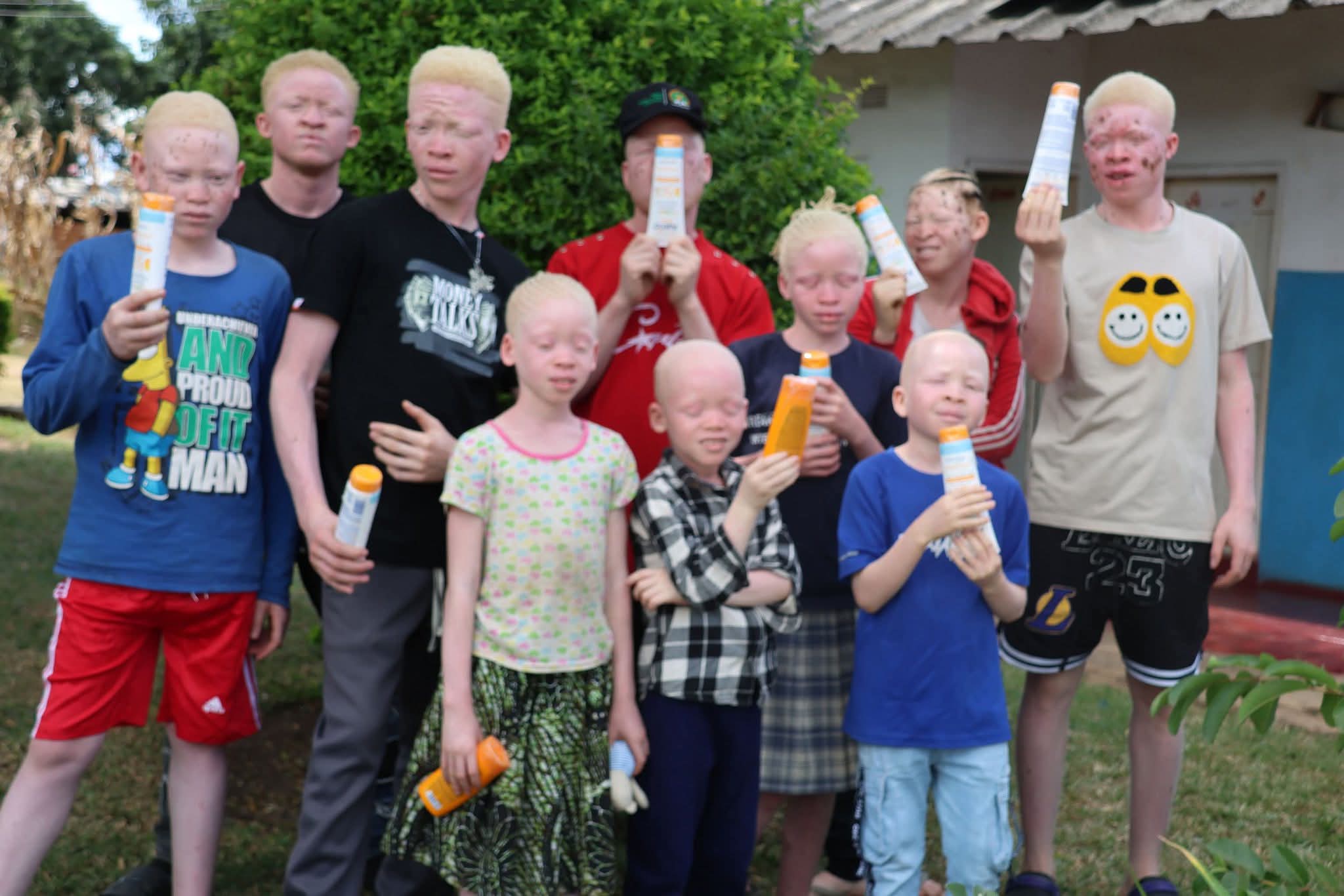
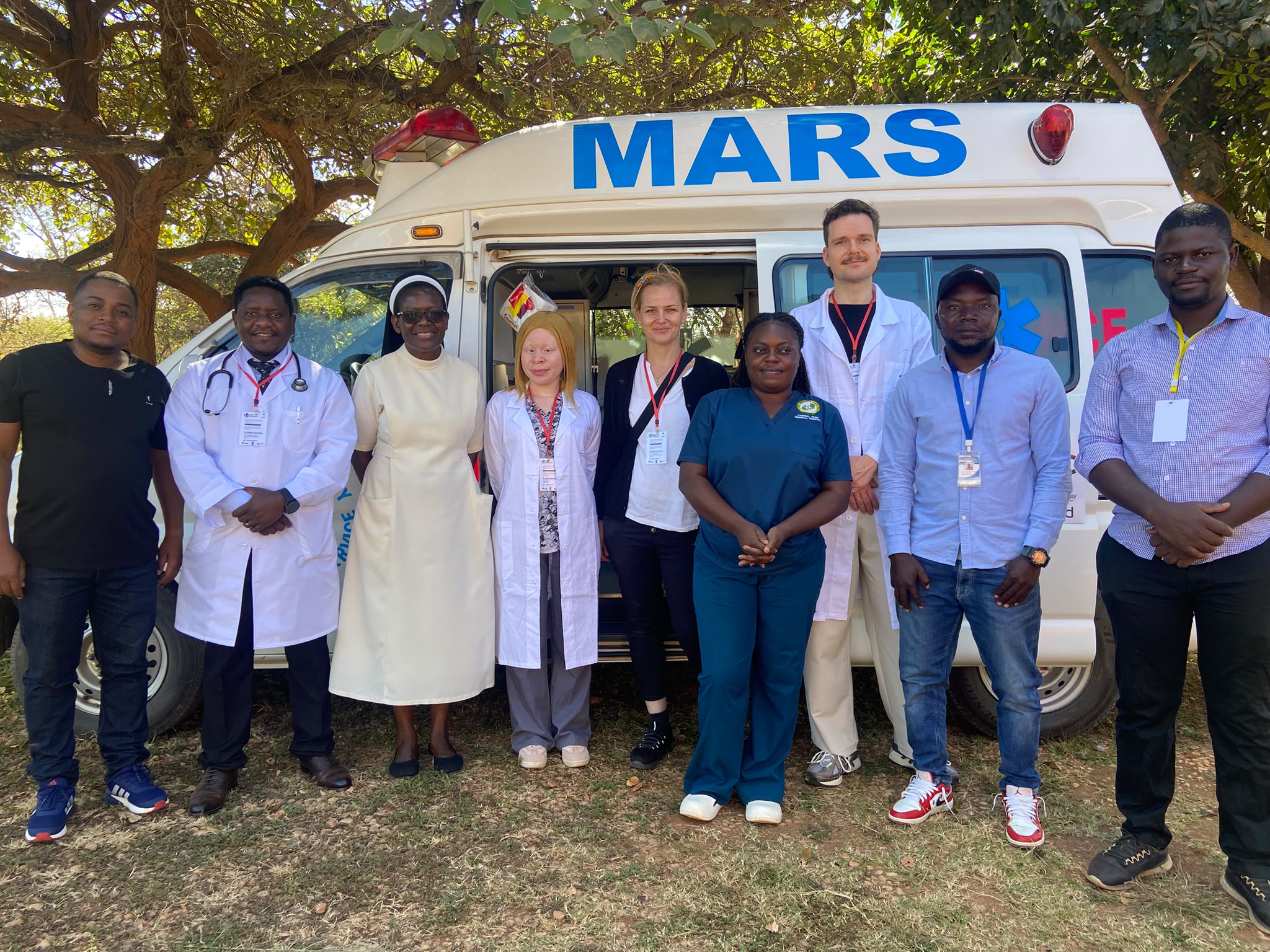
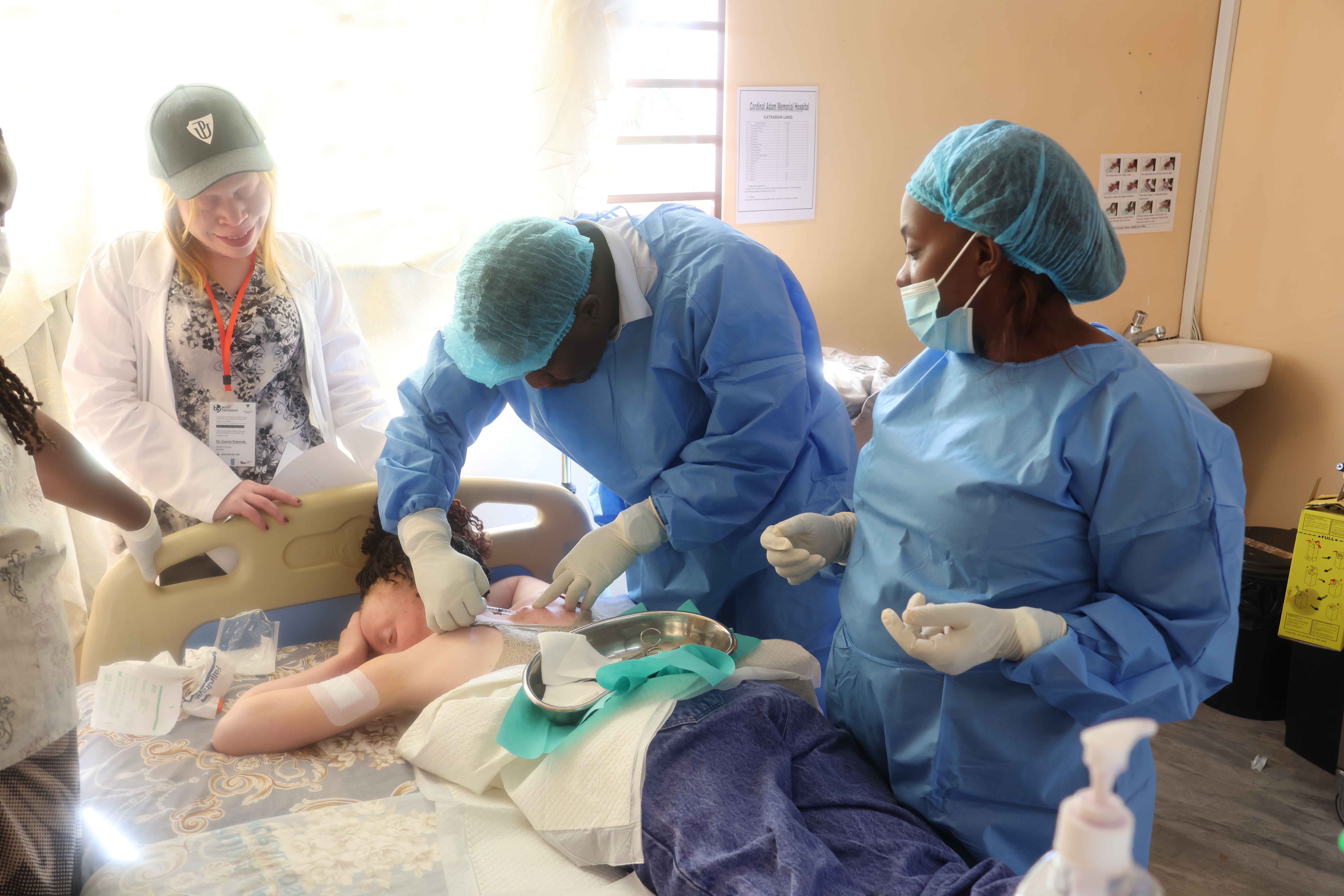
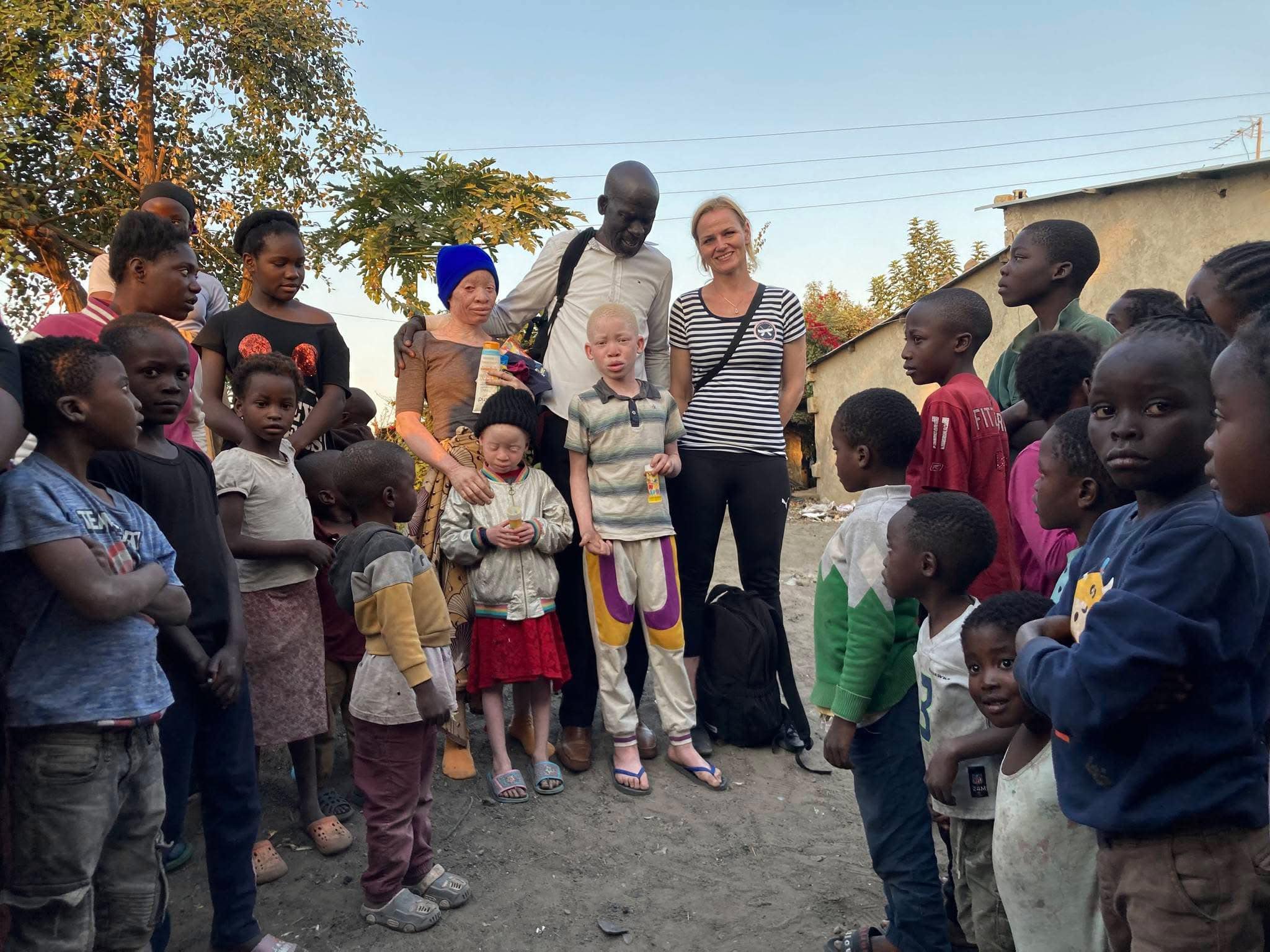
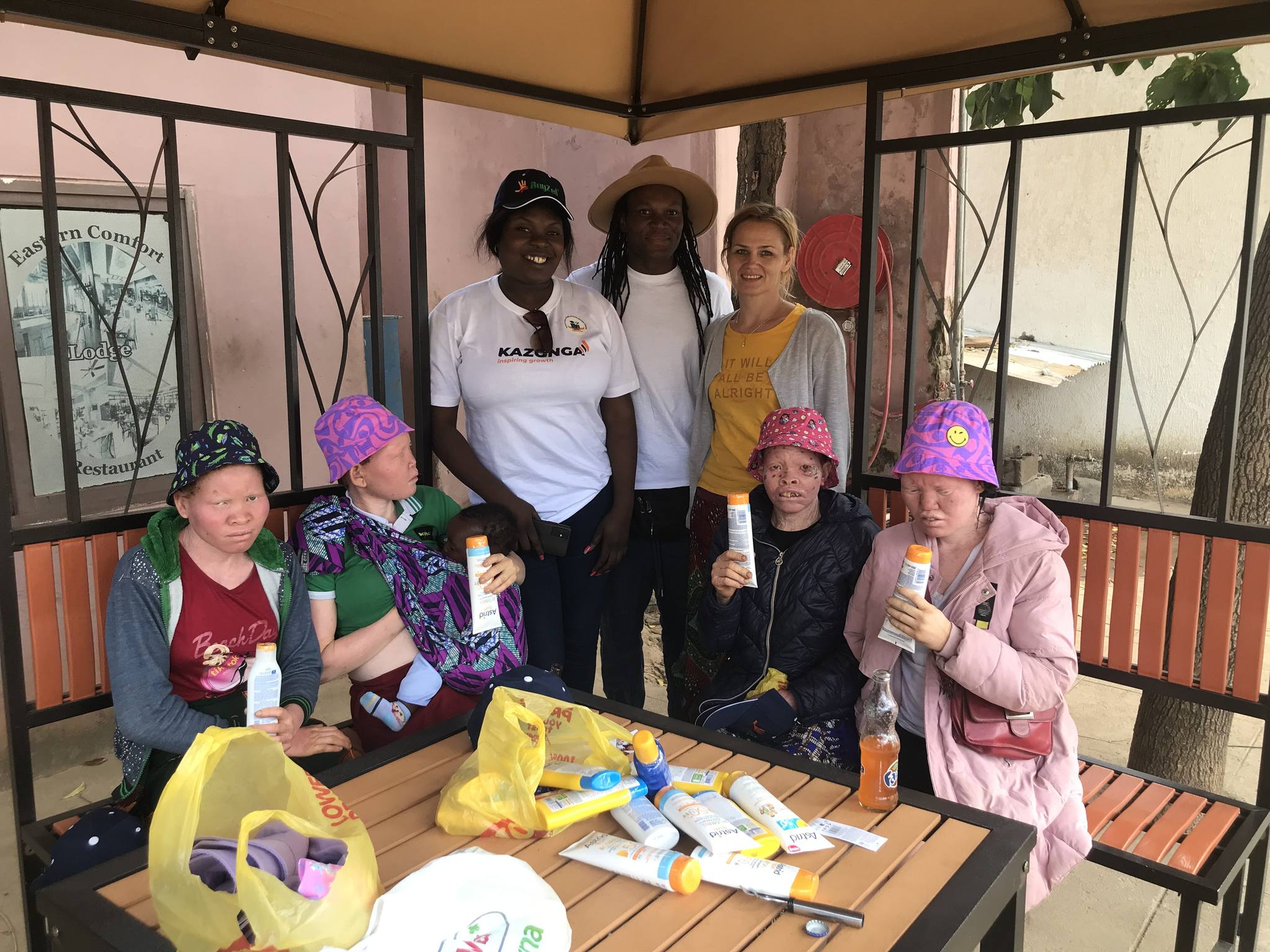
People with albinism lack melanin, the pigment that naturally protects the skin from harmful UV radiation. In Zambia, this puts them at extremely high risk of developing skin cancer, one of the leading causes of premature death among people with albinism. Yet access to high-SPF sunscreen and specialist dermatological care remains very limited, particularly in remote areas. What we have achieved: We distribute high-SPF sunscreen, protective headwear and other sun-protection items, reaching people even in remote regions of Zambia. In 2026, we launched a mobile dermatology clinic for people with albinism in Lusaka, focusing on the prevention, early diagnosis and treatment of skin conditions and skin cancer. What we plan to do: Continue distributing sunscreen and other protective items and expand the mobile dermatology clinic to other regions of Zambia, bringing specialist care to people who currently have little or no access to it.
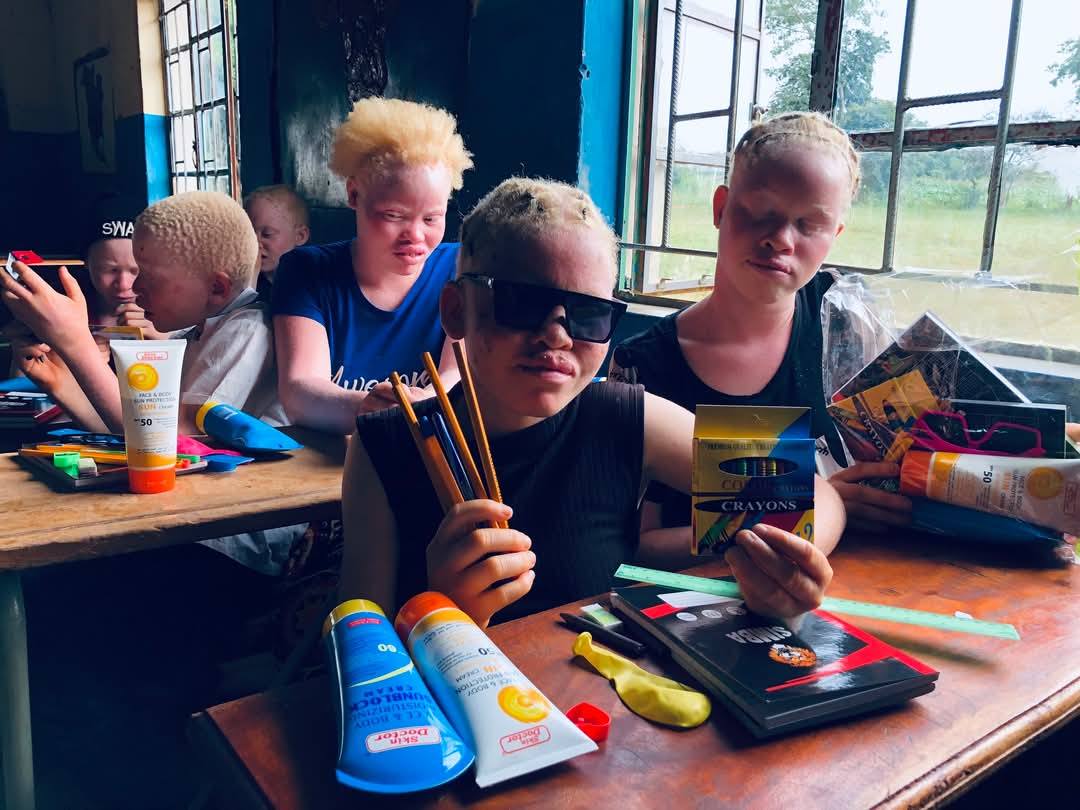
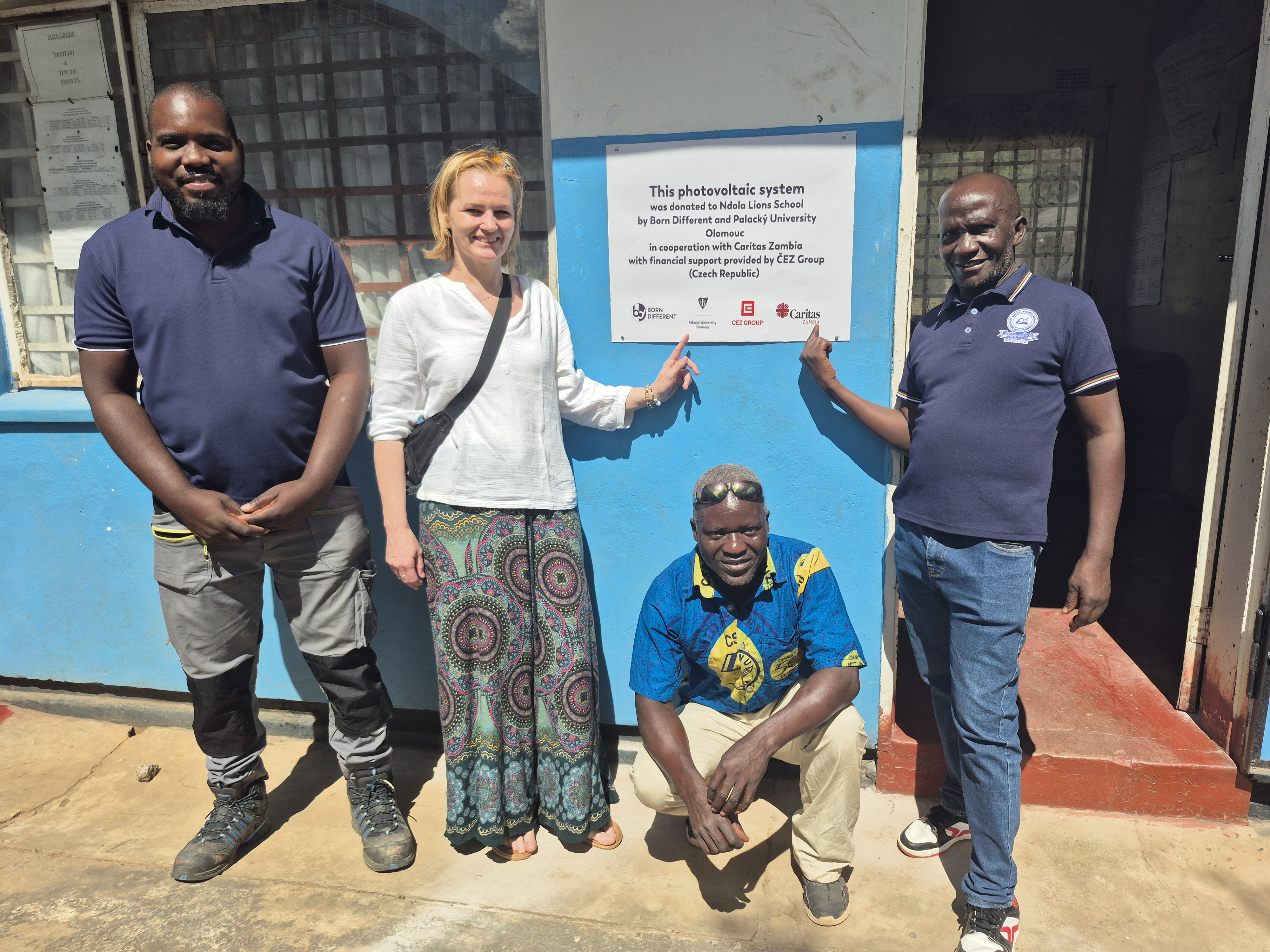
EDUCATION – Chance for a Better Future Children with albinism in Zambia face significant barriers to education. In mainstream schools, they often experience bullying, discrimination and social exclusion, while their visual impairment requires specific educational support that is not always available. Some therefore attend specialised schools for visually impaired children, which provide a safer environment and education tailored to their needs. As many of these schools struggle with limited resources and a lack of basic equipment, we try to support them by providing school supplies, prescription glasses, high-SPF sunscreen and other protective items. What we have achieved: In 2023, we organised a photography workshop and exhibition for children with albinism in George Compound, Lusaka. In 2026, with the support of the Czech energy company ČEZ Group, we installed a photovoltaic system at Ndola Lions School. After years of frequent power outages, the school now has a reliable source of electricity which has significantly improved conditions for both teaching and learning. We also provide ongoing support to Magwero School in Zambia’s Eastern Province, supplying sunscreen and essential school materials. What we plan to do: Continue supporting specialised schools attended by children with albinism by providing essential school supplies, prescriptionglasses and protective items, while helping more schools gain access to reliable solar power.
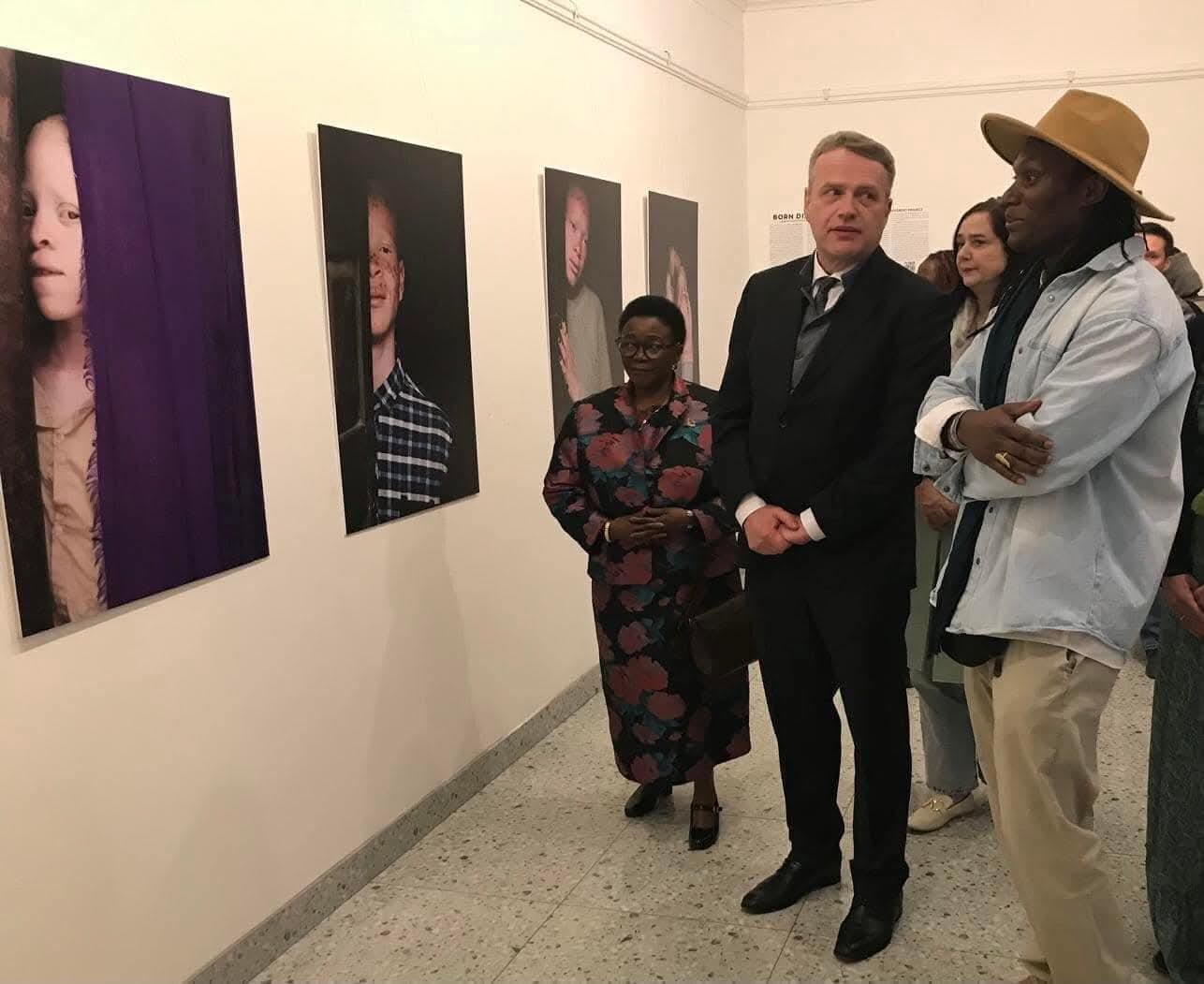
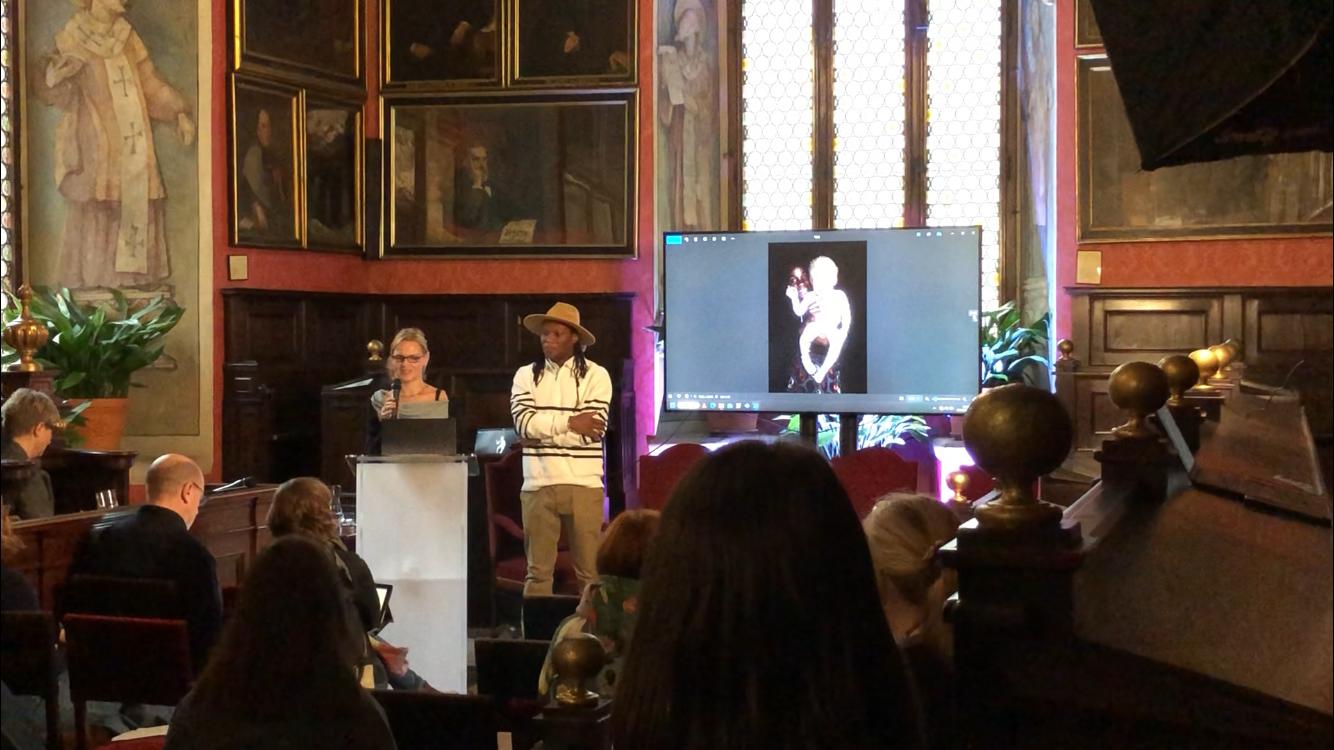
HUMAN RIGHTS – Combating Discrimination, Violence and Ritual Killings People with albinism in Zambia continue to face discrimination, social exclusion and violence. Deeply rooted myths and superstitions often lead to abductions, sexual violence, mutilation and ritual killings. Our project documents their personal stories, draws attention to human rights violations and amplifies the voices of those who often remain unheard. What we have achieved: We have organised a series of photographic exhibitions and accompanying awareness-raising events in the Czech Republic, Poland and Zambia. We engage both specialist and general audiences through public lectures, participate in international conferences and forums on albinism and human rights, and regularly bring these issues to the attention of Czech and international media. We provide systematic support to survivors of ritual attacks by helping to secure their homes, providing personal alarms and protecting graves from desecration and looting. In August 2026, the book Born Different (Narozeni jinak) was published in both Czech and English editions. Combining rigorous research, literary storytelling and powerful photography, the book offers a compelling account of the everyday lives and inner worlds of people with albinism in Africa. It addresses stigma, discrimination, violence and human rights violations while revealing the striking contrast between radically different cultural perceptions of albinism. What we plan to do: We will continue to organise photographic exhibitions, guided tours, public lectures and discussions accompanying the book Born Different. Our aim is to raise public awareness of albinism and the human rights violations faced by people with albinism, challenge prejudice and discrimination, and promote respect for their rights and dignity. We will also continue to provide direct support to survivors of ritual attacks.
WE PROVIDE LONG-TERM SUPPORT DIRECTLY WITHIN COMMUNITIES Born Different has been supported by individual donors and corporate partners for several years. Thanks to successful fundraising campaigns and sponsorships, we have been able to turn this support into practical assistance for people with albinism in Zambia. Our goal now is to expand these efforts and ensure they can continue in the years ahead.
HOW YOUR DONATION HELPS Your donation will help provide sunscreen and other protective items, dermatological examinations and treatment, support for schools educating children with albinism, and practical support for people with albinism and their families when they need it most.
Together, we can help people with albinism live safer and healthier lives!